Tuesday, 10 November 2020

20 Fail-Proof Ways to Come Up With New Content Ideas

Running out of ideas might be one of the worst situations when you depend on content to drive your business. You probably never imagined this would happen when first starting your online business. However, realizing you have nothing to say when facing a blank blog post is frustrating and panic-inducing.

But don’t worry. You have plenty to say!

Everyone gets hit with a case of “blogger’s block” once in a while. Fortunately, there are lots of tried and true methods for getting back in sync with your editorial calendar.

In this post, we’ll talk a little about why having fresh content matters. Then, we’ll share 20 fail-proof ways to come up with new content ideas. Let’s get started!

The Best Content Marketing Idea?

Partner with DreamHost! Our automatic updates and strong security defenses take server management off your hands so you can focus on managing your blog, not downtime.

Why Creating New Content Matters

Content creation is a key aspect of inbound marketing, but it’s also how your audience gets to know you. Your next potential customer will only know you as an online persona. As such, you’ll want to take advantage of every opportunity you have to establish yourself as an expert in your niche. Providing new, insightful content to your audience is an efficient way to do this.

Additionally, companies that post more content get more traffic. Publishing 16 or more blog posts a month can help you pull in nearly four times the traffic of your less prolific competition.

Of course, content creation isn’t just about what’s on your website.

You’ll also want to have steady social media content to help promote posts, articles, and videos. Social media is also an effective way to let your current followers know you have something new to share and bring fresh eyes to your content.

Finally, keep in mind the trust factor when it comes to digital consumerism. Without the benefit of a physical storefront, if you’ve stopped producing content, it can be hard to tell if you’re still around. An e-commerce website with a blog and social media that hasn’t been updated in six months is unlikely to inspire confidence in potential customers.

20 Fail-Proof Ways to Come Up With New Content Ideas

Now we’ve covered why developing new content is so important, let’s get to work with 20 fail-proof ways to create new content ideas. There are plenty to get through, so let’s begin!

1. Create Topics in Bunches

Coming up with a topic under pressure can be stressful, and the relief you feel when you come up with something might be enough to make you stop for the day. However, you may want to try extending that brainstorming session and coming up with a few ideas at once.

Batching similar tasks together is a tried and tested productivity technique. It can keep you focused and cut down on multitasking. What’s more, you can better develop themes in your content, which will likely come in handy to keep readers engaged.

So pour some coffee, set a timer, and away you go!

If you can, try to come up with enough topics to last a month or two. You can plug your new topics into your content calendar and make a plan for your next brainstorming session while you’re at it.

2. Scour Social Media

Social media could be a continuous source of topic ideas. Since Americans spend about two hours a day on social media, chances are your followers will be online discussing what they’re currently interested in. By doing a bit of virtual eavesdropping, you can kickstart your content idea generation.

To start, look at what’s trending among your current followers. Take note of questions they’re asking and topics they’re interested in — but don’t stop there. Instead, let yourself go down a rabbit hole. Who are the other people and brands that your fans follow, and what hashtags are they using? All of this information can be used as fodder for future content.

3. Review Your Blog Comments

Engaging with your readers in your comments section is an effective way of building a relationship with them. However, you can also read through comments to develop new ideas.

Your readers are likely from different parts of the world and have very different life experiences from you. So they may be leaving unique insights into and observations about your post’s subject matter. They may even be asking questions that you can answer in future blog posts.

Interacting regularly with your readers can make it more likely that they’ll leave thoughtful comments. After all, if you take the time to respond, it’s more rewarding for them to share their thoughts. You might also give them some encouragement with a strong Call To Action (CTA) at the end of your posts.

4. Conduct Interviews

Interviews with an expert in your niche are a versatile way to help develop content for your blog or social media channels. The material you get from a single interview can bolster your content calendar for a week or two.

First, the material lends itself to multitasking. Of course, you can publish the interview as a blog post. However, you might also shoot some video and share short clips of the highlights.

Also, as there’s likely some overlap in your audiences, you may gain new followers from your guest. You might try creating a few easily-shared social media graphics for your interviewee to post on their channels.

Try reaching out to a personality in your industry to see if they’re open to being interviewed. You might want to try asking some of the people your audience follows on social media. If you’re concerned about coming up with questions, this could be a good time to poll your readers to see what they would ask.

5. Check Out Competitor Sites

Your competitors’ sites are a potential goldmine of content ideas. After all, they’re targeting the same population as you!

Of course, you can start with their blog to see if they’ve covered any topics you haven’t thought of. If you find ideas this way, try to outdo them by creating longer and better content (otherwise known as the Skyscraper Technique). However, take care not to plagiarize. There’s nothing wrong with using their content as inspiration, but be sure your words are your own.

Next, head for the comments sections. Just like your own audience, your competition’s readers are likely asking valuable questions and sharing thoughts that you can use as a jumping-off point.

While you’re on their site, you might also want to sign up for their newsletter. They may offer additional content to subscribers that you can’t access on the website.

6. Google Search Suggestions

Google may have some great ideas for your next topic. This tactic can be incredibly valuable, as you don’t need to provide much information. Also, the suggestions you get back will be relevant and mostly optimized as they’re based on actual searches.

Start by typing in a general idea or even just your niche. You’ll get a list of potential topics. You might want to log out of your Google account first or use a private browsing tab, so your past search history doesn’t influence the results.
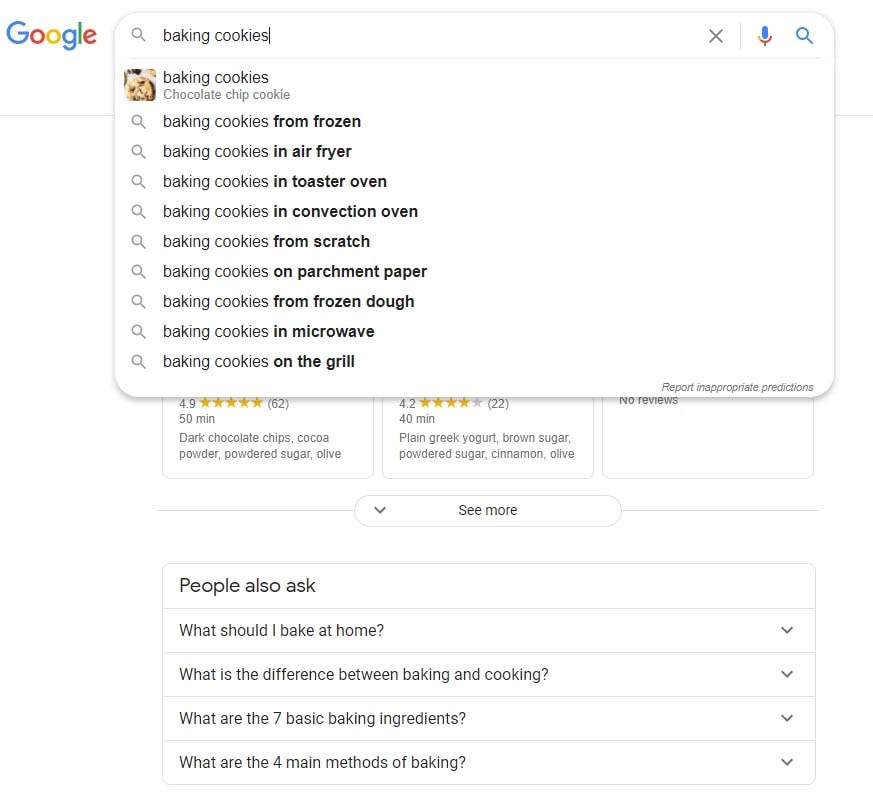
Google suggestions based on a search for baking

Also, check out the People Also Ask and Searches Related To… sections. These are two more places to find topic and keyword inspiration.

Google searches related to baking

You may want to incorporate this strategy into your topic brainstorming sessions. If you come up with one good idea, Google might help by giving you five more.

7. Connect Your Brand to Current Events

Be on the lookout for any current events you may be able to relate to your brand. While your audience may not be especially interested in the event itself, a clever and relevant tie-in could take advantage of trending searches and hashtags.

This can be an excellent strategy for social media posts, as they’re shorter and more in-the-moment. Keep in mind, although this tactic can be a lot of fun, you’ll want to exercise some caution to avoid tying your brand to anything overly controversial.

You might also stick to your niche when discussing current events. You can spotlight any new developments on social media or dig into the latest happenings with a blog post.

8. Create Product Reviews

Even if you don’t sell a product, you can still review items your followers may find helpful. Product reviews are another versatile bit of content. You can quickly tweet out some praise, being sure to tag the relevant company when you do. Reviews also lend themselves well to video, as you can demonstrate the product and “humanize” your business.

Start by thinking of things you use every day and if they might be useful to your audience. For example, if you’re a food blogger, you might not believe a scented candle relates to your niche. However, if you swear by it to get rid of lingering food smells in your apartment, your readers will likely appreciate the recommendation.

Furthermore, you can ask your audience about the items they can’t live without. A monthly product review could quickly become one of your more popular features.

9. Use a Topic Generator Platform

If you’re still stumped, you can get an assist from a topic generator platform. You might try HubSpot’s Blog Ideas Generator.

HubSpot’s Blog Ideas Generator

This free tool can provide you with up to a year’s worth of weekly blog post topics. All you have to do is type in up to five different nouns and click on the Give Me Blog Ideas button. It may not offer cast-iron and fully-formed ideas; however, it can be a great starting point for developing more relevant content.

10. Tell Personal Stories

It’s highly unlikely that you’re the only person creating content in your niche. Your audience follows you because they like you. Chances are, they’ll enjoy learning more about your successes and failures.

These stories may inspire your readers or make you more relatable to them. Best of all, since you’re pulling from your experience, there’s no research required.

How you share your story is as personal as the story itself. You may want to write a narrative or simply list lessons you’ve learned over the years. You could even let your audience ask you questions on a Twitter chat or YouTube live stream. This is also an excellent opportunity to tell your brand’s story.

11. Get Ideas From Industry Newsletters

No matter your niche, it’s a pretty safe bet that there are a few respected newsletters dedicated to it. These periodicals are likely full of up to the minute details about topics your readers will be interested in.

Try subscribing to some industry newsletters and use what they cover to help cultivate fresh content for your blog. You might also note who is writing the content and who is being interviewed for these publications. Following these people could lead to even more inspiration, or even an interview or two.

Want to Learn How to Create Great Content?

Whether you need help finding a target audience, crafting the ideal digital marketing strategy, or launching a podcast, we can help! Subscribe to our monthly digest so you never miss an article.

12. Watch YouTube Videos

Having your own YouTube channel is a great idea, but you can also use the platform to develop content ideas. You may start by watching videos in your niche and reading through comments for inspiration, similar to what you might do on a competitor’s blog.

However, you can also try searching for some of your old topic ideas and then using the suggested videos to come up with new ones.

YouTube’s suggested videos section

You could also try looking at the most popular videos in your niche. This should give you a good idea of what your audience might be interested in.

13. Stay Up to Date With New Products and Tech

Regardless of the industry you’re in, new developments are likely happening all the time. Staying on top of new products and technology related to your niche can regularly help you generate new content ideas. If you subscribe to industry newsletters, you’ll be well-positioned to discuss these advancements.

Try sharing this information with your audience on social media and get their thoughts on it. This is potentially an effective way to get a conversation started on your social platforms, which could spark even more ideas for you.

14. Talk About Recent Studies

Conducting original research is a great way to generate content, but it’s not always practical. Instead, let your readers know about new studies or survey results related to your niche. This strategy provides value to your audience and helps cement your reputation as an expert.

While you should probably share these findings on social media quickly to capitalize on recency, you might build other content as well. For example, you could craft an in-depth blog post or shoot a video exploring the study’s potential impact.

15. Refresh or Expand Your Old Content

Speaking of studies, if you’ve included any in older content, it could be time for a refresh. Taking time to look through old content can help update facts and statistics for the sake of accuracy. Also, suppose the content is especially dated. In that case, you may have been trying to rank for different keywords or using poor Search Engine Optimization (SEO) practices.

You might also look through your older blog posts to see if you can expand upon ideas. A small paragraph in an old article could be fodder for a brand new piece of content.

Finally, you could browse your metrics to identify lower-performing posts that could benefit from some attention.

16. Visit Online Forums

If you’ve already mined your own comments section for reader questions, you might want to try some online forums next, such as Quora. This website is devoted to the asking and answering of questions and covers just about any topic you can think of.
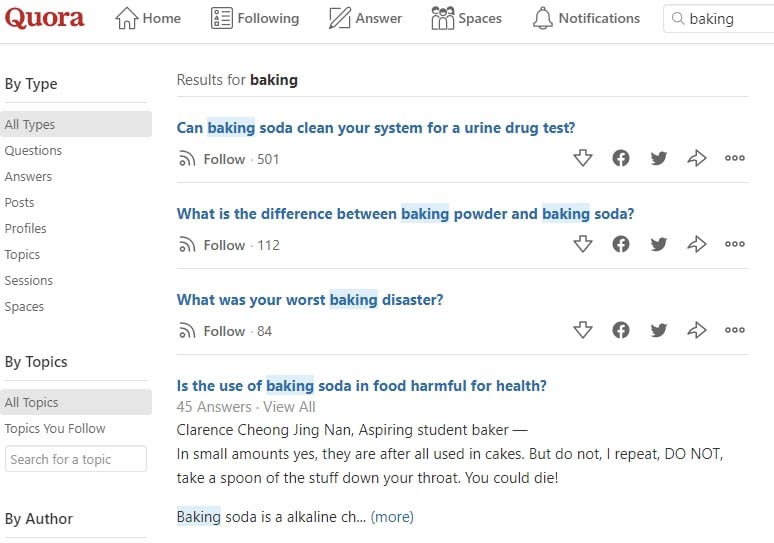
Alt-text: Questions about baking on Quora

Type in your area of interest, and you can find a wealth of content inspiration. Look for questions you haven’t covered, or curate a few related questions and try writing an ultimate guide.

You’re Cordially Invited

Join DreamHost’s Facebook group to connect with like-minded website owners and get advice from peers and experts alike!

17. Give Your Users a Survey

To find out more about what your readers would like to see, try asking them directly. Your audience will be familiar with the types of content you produce and the topics you cover, so they’re in a great position to provide advice.

This can be as formal or relaxed as you’d like. You can select individuals and ask them directly what they’re interested in, or just hold a conversation on Facebook to find out more about your audience. You could also try sending out a survey to your newsletter subscribers.

18. Read Conference Agendas

If you’ve had success checking on industry newsletters, you might also explore conference agendas. These can be full of interesting topics to research and knowledgeable people to follow or connect with.

You can try reading through agendas for upcoming or even past industry events. If it’s being talked about at a conference, you should probably be talking about it as well. And once it’s safe to attend events again (thanks, COVID-19), you might consider writing a roundup for your followers.

19. Help a Reporter Out (HARO)

Help a Reporter Out (HARO) is a website that connects journalists with sources. While you can use this tool in the hopes of being included in a story, it’s also helpful for generating content ideas.

The Help a Reporter Out homepage

Signing up for HARO as a source will get you three emails a day full of potential content topics. You’ll receive pitch requests every weekday, which you can mine for potential content ideas.

20. Browse Amazon’s Best Sellers in Your Industry

Amazon lists the top-selling books by industry. You might find your next read there, but it can also give you a sense of what people want to learn about. The list is based on sales and is updated hourly.

Amazon’s best selling books in the cookbooks, food, and wine category

You can pull up a list of relevant titles and start judging books by their covers (and table of contents). Try scanning summaries and chapter titles to help generate new content ideas.

Blog Post Ideas Made Easy

Consistently coming up with new content ideas can be one of the more stressful aspects of running an online business. However, it also has the potential to pay off. Besides better traffic and increased profits, content creation is how you build a community and engage with your customers.

In this post, we shared 20 tips that should help you come up with some new content ideas. You might start close to home by reading through your blog comments and looking to improve or repurpose old content. Don’t forget to stay on top of current events in your industry through conference agendas and new product developments. If you’re still stuck, you might want to give a topic generator a try.

Developing new content takes a lot of time and energy. The last thing you need to worry about is whether your web hosting is reliable. Have a look at our shared hosting plans so you can get your brain back in the content creation process.

The post 20 Fail-Proof Ways to Come Up With New Content Ideas appeared first on Website Guides, Tips & Knowledge.


source https://www.dreamhost.com/blog/how-to-come-up-with-new-content-ideas/

Thursday, 5 November 2020

How to Prepare Your Website for Black Friday and Cyber Monday

You probably haven’t started thinking about turkey and cranberry sauce, but maybe it’s time you did.

No, you don’t need to go grocery shopping or plan your Thanksgiving feast quite yet. Still, as your hosting experts, we’re telling all you website owners out there: You need to start strategizing for the epic holiday weekend. 

We know it’s been a difficult year in many ways. You’ve likely felt that strain hard in your business as you’ve adjusted during COVID-19 conditions and embraced an online environment. The reality is this: Many people are out of work, small businesses are struggling, and consumers likely have less $$$ to spend. 

But that doesn’t mean you have to end the year on a sour note. As the calendar approaches the normally mammoth holiday shopping dates of Black Friday and Cyber Monday, you can prep your business — and your website — to make the most of the spending season.

Even in less-than-ideal conditions, holiday shopping has a lot of potential to boost your business.

Historically, the Thanksgiving holiday weekend has been a record-shattering buying event that you’ll want to get your business on board with. Last year, Black Friday brought in more than 93 million  in online sales

Those aren’t the only eye-opening numbers; a survey reported that more than 189 million Americans shopped online during the holiday shopping season’s harbinger weekend. That’s a lot of potential customers — and potential sales — for your business.

Here’s the catch: If you aren’t anticipating the Black Friday e-rush well ahead of time, you could be looking at a mass exodus of your site’s visitors, who will happily take their credit cards elsewhere for the year‘s biggest spending season. Cue the flying-money emoji. 💸💸💸

Over the years, people have increasingly turned to their screens for Black Friday deals rather than retail stores. For example, in 2019, consumers spent a whopping $7.4 billion at online stores on Black Friday — an increase of $1.2 billion from 2018. This year will likely break e-commerce records as people shop from the safety of their homes. 

And never underestimate Cyber Monday’s money-making potential; in 2019, Cyber Monday brought in $9.4 billion online, a near 19% jump from the previous year and markedly the biggest online shopping day in history.

So what’s on your Black Friday/Cyber Monday To-Do list? Well, you need to prep. Your site needs to be whip-quick and bug-free, not to mention stocked with quality products and smart navigation. 

And we can help with that! 

First, we’ll talk strategy, helping you plan out the best ways to get your sales in front of customers. 

Then we’ll get into the nuts and bolts of prepping your sites for the e-crowds, one technical task at a time. 

With a website primed for a critical weekend of sales, you can put on your stretchy pants and enjoy another slice of pumpkin pie — while you watch your business grow. 

Get Ready for BFCM Weekend

Join our monthly newsletter for tips and tricks to build a better site, increase traffic, and boost sales during the holiday season and beyond!

Create Your Marketing Strategy

Whether your small biz is a team of one or one hundred, you need to have a pow-wow, STAT. You must organize a Black Friday plan of attack before your site gets left out in the dust. With an increased focus on online sales during the holiday shopping season, you have to be ready. Start with baby steps. 

1. Take Stock (Literally and Figuratively)

It’s smart first to take a look at where your business stands. What are your goals? How established is your brand? How is your social media presence? And what are you hoping for — in sales terms and otherwise — for the big Thanksgiving shopping holiday?

Calculating percentages in daily planner.

Knowing where you are and where you want to go helps you set appropriate goals and put a plan in place to accomplish them.

Then there’s physical merchandise or, if you sell a service or non-physical commodity, virtual goods. 

In the case of tangible products, you will need to take stock of your items and increase inventory (and shipping supplies) in anticipation of sales (especially of your best-selling items) so that those ever-important buying days run as smoothly as possible. Keep a spreadsheet of inventory handy — this can help you stay organized and be useful if contingencies arise (more on this later).

Regardless of what you sell, you need to make sure you have the tools in place to run a sale on your site and figure out the kind of sale you want to offer — based on lifetime customer value or cost per acquisition stats — or if you’d be better to provide more out-of-the-box savings, like service upgrades or add-ons.

So, make some calculations and gather your data — you need this information for our next stage of planning.

Remember that COVID-19 has moved many businesses nearly entirely online. So how you approach inventory, shipping, and the services you offer will differ from years past. It will likely require additional time, planning, and resources to successfully navigate a successful holiday shopping season. Plan ahead and prepare for contingencies (we know you’ve been dealing with a whole year of contingencies).

2. Plan Out Your Sales

Believe it or not, holiday shoppers are researching products and scouting deals well ahead of time — like, now. So it’s important — crucial even — to take time to get organized by mapping out the sales you’re going to offer for the Black Friday/Cyber Monday weekend. Plan ahead to avoid messy last-minute sale scrambles and fly-by-the-seat-of-your-pants deals (yikes).

Also, note that coronavirus conditions have caused shortages in many industries, many of which could affect your manufacturers, suppliers, or operation suppliers. It may take extra time to get what you need, so plan for these delays well ahead of time when planning sales.

The sooner you have a plan in place, the sooner you can bring attention to your Black Friday sale and prep customers to bring their holiday dollars to your shop.

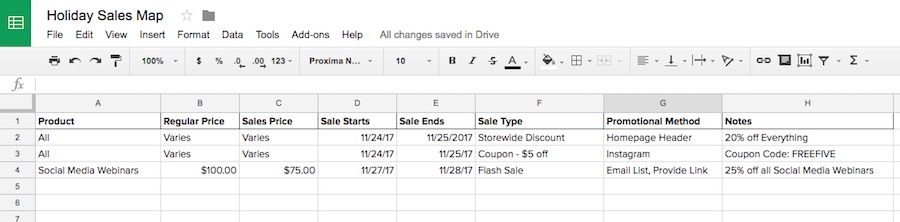
A simple Excel sheet works well for outlining planned sales — identify products or a set discount, regular and sale prices, the sale timeline, and how you anticipate promoting that sale.

Holiday sales map spreadsheet.

You may need to talk with your supplier (if it’s not you) to work out the production details of increased demand.

Also, keep in mind that most Black Friday and Cyber Monday shoppers haven’t completed their holiday shopping at the end of the Thanksgiving spending spree. Last year, only 18% of people (46.3 million) were done with holiday shopping before Nov. 1. So don’t see Black Friday as the end-all, be-all. 

In your plan, include actions (and additional incentives) that encourage Black Friday shoppers to return to your e-commerce store throughout their holiday shopping and, eventually, become loyal customers. 

3. Map Out a Marketing Campaign

Now that you know what kind of sales you’re going to offer, you need to disseminate that information effectively to consumers. Advertise well ahead of time and prep your customers for buying.

We know things this year have been hard. Since we’re all pinching our pennies, here are some affordable — and creative — ways you can create a BFCM campaign that drives sales. 

Email Marketing

If you’re wondering where to start with Black Friday marketing, email is truly a safe bet, since a healthy, growing email list is invaluable for your small business or e-commerce website. 

Sending marketing campaigns to those who have chosen to be engaged with your business allows you to tailor personalized messages that have the most impact come buying time. 

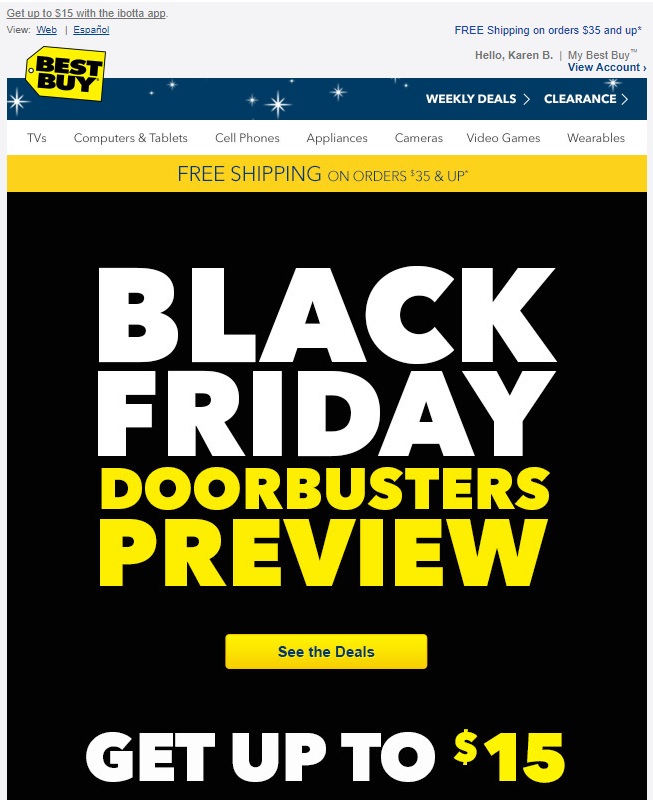
Black Friday deal from Best Buy.
Electronics giant Best Buy hypes up Black Friday discounts with anticipatory email messages.

Promotional emails can prep your most loyal consumers for an upcoming sale or reward frequent buyers, and specific types of communications (like abandoned cart emails) can help wary or slow-to-act visitors complete unfinished purchases.

Your promotions can also help you to build an email list. It’s like an epic circle of benefits.

Social Media Marketing

While social media tends to cast a wider net in marketing, platforms such as Facebook, Twitter, and Instagram can help you tease upcoming promotions and provide creative ways of distributing Cyber Week deals. You can also boost your posts to target specific audiences or reach a larger crowd for only pennies on the dollar. Tailor your content to each platform for maximum effectiveness.

Create a calendar to help you determine and plan out the best times to distribute marketing content — then stick to it! Consistency rules.

Pay-Per-Click Advertising

Sure, the saying goes that the early bird gets the worm, but if you’re planning deals late in the game, all hope is not lost. While search engine optimization (SEO) and other organic traffic drivers take time to implement, pay-per-click advertising allows you to pay for more clicks (hence the name) right now

If you’ve got more of a marketing budget at your disposal, you can utilize PPC campaigns to have more control over your search engine rankings and, at best, turn clicks into customers and see strong ROI. 

The basic steps are to create an ad and make bids on virtual auctions for top placement in search engines. Check out Google AdWords to learn more and start generating more traffic to your site.

4. Keep an Eye on the Competition

With a tidal wave of Black Friday and Cyber Monday deals flooding every inch of the web, your small biz needs to set itself apart against other small operations and big-name retailers.

Ecommerce business owner on laptop.

Extra touches can help distinguish your site from a rival online retailer; consider offering a gift (or an additional discount on future return purchases) with each sale, expedited or free shipping, special packaging, or customized thanks-for-shopping messages from your business. Watch your industry competitors and work to have the leg up.

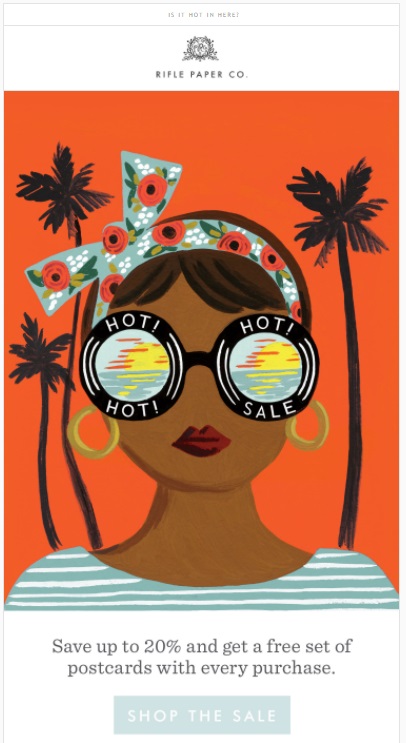
Rifle Paper Co. discount offer.
Rifle Paper Co. incentivizes customer purchases with bonus gifts.

And even if manpower or budget limitations restrict you from including additional incentives, always provide hassle-free returns and friendly, prompt customer service. Emphasize the personality and care offered by your small business versus big-box retailers. Customers like to support small businesses and, in most cases, will appreciate, remember, and reward a more intimate online shopping experience.

5. Build (More) Buzz

In addition to your organized marketing efforts, you can boost the hype for your Black Friday steals by engaging in additional awareness-building activities.

Craft Winning Copy and Create Alluring Graphics 

Time is on your side; with your early-bird preparation, you can plan out and prep copy that is engaging, personable, and error-free. Same with photos and graphics; planning ahead guarantees you have attractive visuals that impress and persuade. Putting special attention to even these most basic of website fundamentals can significantly improve your users’ experience during their holiday shopping.

Utilize Hashtags

Insert yourself into the popular topics of each week by taking advantage of trending hashtags. The viral hype will seamlessly (and effortlessly) aid in spreading the word about your products and upcoming sales. #blessed

Build in Scarcity

Shoppers will naturally feel a sense of urgency to buy if they know your limited-edition, few-in-number, or wildly-discounted product won’t last long. Use language that reminds shoppers to act quickly to score the best deals.

Madewell discount offer on Instagram.
Powerhouse retail brand Madewell offers customers a product exclusive — enticing buyers to act quickly.

Display Shop Signage

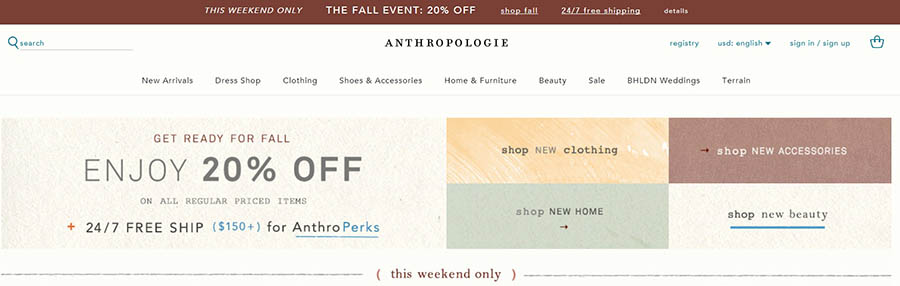
Well before the actual Black Friday/Cyber Monday crowds hit your e-shop, you can outfit your site to prep visitors for approaching sales. Consider updating your homepage with a special Black Friday header or landing page signage that cements SALE into your customers’ minds — especially those who are conducting their holiday gift-giving research now.

Anthropologie website homepage showing discounts.
Clothing company Anthropologie displays sale signage on their site homepage, inviting visitors to engage.

Update Your Blog

Hopefully, your blog is regularly outfitted with quality posts that are relevant and engaging. If it’s not, get writing. A blog consistently updated with useful content brings visitors back to your site and builds your brand. Use friendly, personable language that establishes you as a trusted authority in your field or industry.

In the next few weeks, consider publishing useful holiday shopping content, like curated gift lists or helpful instructional guides (wink, wink) that feature your products and provide a service to customers.

A Brit + Co blog post featuring gift ideas.

Media entertainment company Brit + Co compiles helpful content for visitors — a creative way to feature their products.

Pitch to Other Blogs and Social Media Influencers

Influencers are called influencers for a reason. Get your products in front of the web’s most influential people, and you could be rewarded with more traffic to your site — and ideally, new shoppers. 

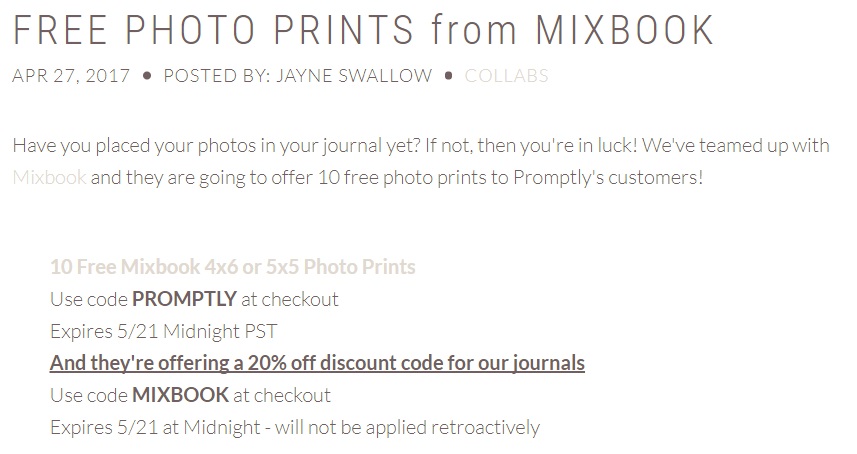
Free photo prints offer from Mixbook.

Pitch your products to other sites (for their gift guides, guest posts, or other content), and you’re inviting a whole new set of eyes to explore your offerings. Score!

Share Positive Product Reviews

Word-of-mouth marketing is powerful, especially in e-commerce. With prompts on your site or through after-purchase email messages, invite your customers to leave product reviews. Share the glowing ones with new customers (and turn them into repeat customers) or use them to persuade on-the-fence buyers.

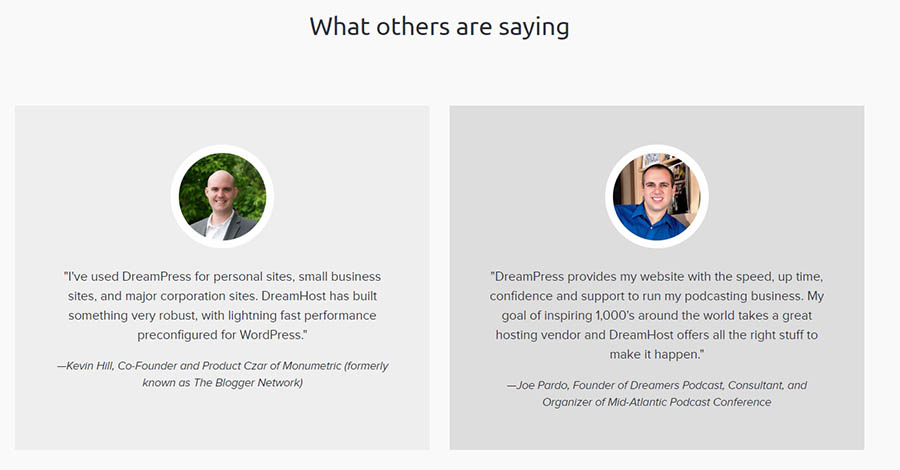
Customer reviews on DreamHost.com.

Write and Share Customer Spotlights

Bring attention to the superstars championing your products or services — your existing customers! Profile their unique story and how your business helps them achieve success. These stories (like our own tales of a millennial-minded online publication creator or writer looking for a quick way to set up a website) will inspire other consumers to engage with your brand and, ideally, make purchases.

If you’re looking to go even more out of the box, try these other creative promotional ideas

And lastly, know this: According to Adobe, the power of social media influence on purchases is decreasing, but retailers have greater opportunities to invest in email marketing and search optimization for increased revenue. That could be a major thumbs up for your site if done well. So plan now.

Prepare the Technical Aspects of Your Site

Planning the details of your Black Friday/Cyber Monday sales is essential. But that’s only the first step. Especially when shoppers notice the buzz you’ve created and want to make purchases. Is your website up to the challenge? If not, start here!

1. Consult With Your Hosting Provider

As is necessary for success in all parts of your website, a site that’s functional and ready to deliver during the fall’s killer shopping holidays depends on your website’s foundation: your hosting provider. Your provider should be reliable and helpful, and at the most fundamental level, keep your site up and running 24/7.

Yes, a good hosting provider is essential. So consider: 

  • Can your hosting plan handle surges in traffic that may occur during Black Friday/Cyber Monday sales? 
  • Can it keep you safe from virtual vulnerabilities? 
  • And if your site does go down, will you be compensated by an uptime guarantee

Based on your needs, you may need to consider upgrading to a plan that can do more heavy lifting during the rush.  

Not sure what plan is best for your site? Chat with us. We’ve totally got your back.

Is Your Site Ready for a Cyber Monday Sale?

DreamHost has the perfect hosting plan to handle your holiday season traffic.

2. Set Up Your E-Shop

Before you can draw customers in with deep discounts, you need to make sure your site is actually outfitted for e-commerce, if you haven’t already. 

Whatever tool you use — like WooCommerce or Shopify — get it up and running well before the big day. Ensure that it’s capable of handling your site’s crowds and that it allows customers to make purchases using a simplified checkout process. 

3. Provide a Safe Shopping Experience

A vital part of building trust with your clients (and ensuring that they make return visits) is shopping safety. 

Shoppers — especially ones with the seasonal inclination to splurge — want to know that their information is safe on your site. That’s a big reason to think about security. A study by the Department of Commerce revealed that half of U.S. internet users are deterred from buying online because of worries about privacy and security.

To remove worry from customers’ minds, display prominently on your site’s checkout pages signage that proves it’s safe to shop with you.

Otter’s safe shopping signage puts customers at ease.

More often than not, your hosting provider can help you get set up with a free or low-cost SSL/TLS certificate (an authentication and encryption system — meaning, data is transferred online safely). If you’re a DreamHost user, we’ve got you covered.

Another way to ease your customers’ minds about security: Share the other websites that have featured your products. Display endorsements from other blogs and companies, (it’s OK to toot your own horn!) and give your products and services an outside seal of approval.

Tubby Todd displaying partner websites.
Bath product company Tubby Todd boasts the backing of other sites that help establish trust and authority with potential customers.

Visitors to your site will see the buzz already building around your business from other familiar companies and will be more likely to engage. Consider it e-commerce FOMO.

These trust-building measures that can make a world of difference, especially on those big shopping days. 

4. Create an Easy-to-Find Return Policy

It’s inevitable — some customers are just not going to love their purchases. The National Retail Federation estimates the value of holiday gift returns in 2019 to be nearly $100 billion. Currently, up to 40% of all online purchases will be returned, but 96% of customers said they would shop with a retailer again if their return experience with that business was positive. 

With the vast majority embracing online shopping this year, you’re likely to see an increased rate of returns. Returns are not only a part of the holiday season but a valuable point of interaction with consumers. They are an opportunity to connect with your audiences, provide them the best possible experience, and encourage repeat business and customer loyalty.

REI’s return policy is clear and easily found. 

First, make your return policy easy to find — in a limited number of glances or clicks. Keep your customers loyal by avoiding “the fine print” mentality; clearly state shipping costs, deadlines, and return policies (and make it big enough to read, please).

5. Fine-Tune for Optimization

You want every aspect of your site to be optimized for the best possible web experience. With eyes on increased sales, more traffic, and a loyal following, fine-tuning your site in these specific areas will help you build your numbers.

Make Your Site Mobile

We could easily inundate you with reasons why having a mobile-responsive site is so important, but we’ve already been there, done that. So instead, we’ll just pass along a few key statistics to prove our point.

Like the fact that Black Friday is big (no, let’s say B-I-G!!!) for mobile. Last year, both Black Friday and Cyber Monday were record-breaking days in retail history for e-commerce, with sales reaching nearly $3 billion on mobile.and 61% of all online retail coming from smartphone transactions — and that’s only on Black Friday.  

Cyber Monday also made waves for mobile in big ways, with transactions soaring to $3.1 billion, the highest ever year-over-year dollar gain for smartphones. What’s more, smartphones accounted for more than half of all traffic on retail websites on Cyber Monday.

Holy smartphone, Batman. 

Mobile is also crucial for good SEO. How? Well, having a site that’s mobile-responsive increases your chances of earning a high ranking in search engines, and therefore, your chances of being found by potential customers.

Your site can look snazzy on a desktop, but if it delivers a disappointing mobile presence, then you can say adios to your sales. 

Ensure that your site’s template is mobile-responsive. Make sure that your site loads fast on a mobile device, links work, images load correctly, and any pop-up forms display correctly. Consider utilizing the AMP initiative to upgrade your mobile experience for users.

Boost Your SEO

As a small business or website owner, you’ve probably already had a rudimentary education in the importance of SEO. 

Simply put, SEO means positioning your site for discovery in search engines. After all, a simple search is where most people begin their holiday (or basically any) shopping. 

Google search bar on mobile.

More than any other shopping season, you want your site — and by extension, your products — to have the best chance of meeting the eyes of potential customers. So prepping your website by establishing good SEO is a task of high importance as you anticipate Black Friday and Cyber Monday.

Even if you’re a beginner, you can take a few small steps to improve your SEO. But remember, SEO gains take time, so get started now — the sooner you optimize, the better.

If you want to dig deeper into optimization, consider taking a few additional measures to improve. We recently outlined 13 key steps to boosting your SEO, but check out these main takeaways:

  1. Ensure that you’re using a quality hosting provider. (Ahem, over here. Waves.) This can make a big difference. A reliable hosting service that helps your site perform will aid in your site ranking highly.
  2. Choose a site theme that’s designed with SEO in mind. There are many themes available out there, but not all will help your site increase in rank. Not only does a well-picked web template provide an attractive layout and improved functionality (which aids SEO, too), but its quality code does wonders for optimization. When choosing a theme, look for ones identified as “SEO-Friendly.”
  3. Use an SEO plugin, like Yoast
  4. Improve your permalink structure.
  5. Use a responsive design (meaning: works across devices — see the “Make Your Site Mobile” section above).
  6. Get wordy! Long-form content is rewarded by Google algorithms, so go in-depth on your blog posts and be comprehensive. Provide value. And don’t forget to analyze and organize content. Perform a content audit if necessary.
  7. Optimize your images. Resize your photos to increase load times and use the right file format. Oh, and no “asdfjk.jpeg” file names here. Get descriptive on your photo files. Really, it helps.

Simplify Your Navigation

The Black Friday/Cyber Monday shopping weekend is crucial for your business or website. Fail to simplify your navigation, and you could be looking at potentially lost sales and disengaged — not to mention frustrated — customers. 

Don’t squander your opportunity by making your website a maze of riddles. It’s got to be easy to navigate. 

Whether that means streamlining your design or improving the menu, tidy up your site structure. Simplify searches and checkout processes so that your customer can get from Point A to Point B in a minimal number of clicks — and you can make those sales that much faster.

Reduce Your Load Times

A reality check here: No customer (Black Friday-frenzied or not) will stick around on a slow site

As attention spans on the web get increasingly shortened, you need to think speed. One major key to a speedy site? Your site’s design. We outlined all the dos and don’ts in-depth, but here’s what you need to know for the holiday crunch:

  1. Choose a good hosting provider (Check! We’ve got your back).
  2. Optimize your images.
  3. Minify resources like JavaScript and CSS.
  4. Leverage browser caching. If you’re using WordPress, you can use a handy plugin or utilize our services.
  5. Get rid of outdated or unused plugins.
  6. Utilize expired headers.
  7. Enable CSS sprites.
  8. Implement open-source AMP technology (a Google-developed initiative designed to help developers build sites run optimally on mobile). Use the AMP WordPress plugin to start.
  9. Once you’ve used your load-speed toolbox, test your site’s performance with Google’s PageSpeed Insights.

6. Be Available for Customer Service

While shopping, your customers may have an urgent question about your holiday sale, sizing, or shipping (or a million other things). 

If possible, be available to answer their up-to-the-minute questions during the Thanksgiving weekend. If you anticipate heavy crowds, assemble a team to help address consumers’ pressing needs, and leave them with a positive and memorable customer service experience. 

Enable a live chat function on your site or have a customer service email readily available for them to contact you — and be waiting by the keyboard. 

Glasses retailer Warby Parker makes customer service easy with accessible buttons.

(And you DreamHost users know that you can count on us on Black Friday. We’re just a chat away.)

7. Test, Test, Test

The best way to anticipate any potential glitches or problems with your e-commerce site during the holiday shopping rush is to test it. 

We know we sound like a broken-record-meets-Jan-Brady, but: TEST, TEST, TEST. 

Think about it: You wouldn’t turn in a term paper without reading through it, using spell check, or editing for grammar mistakes. And the way your site looks is just as high-stakes for your business, so perform necessary trial runs.

Test your links for functionality (this handy WordPress tool can help), analyze responsiveness across devices, check load times, and even request visitors’ feedback. The more you can correct beforehand, the better.

8. Plan for Contingencies

By now, 2020 has taught us all that even the best-laid plans sometimes go awry. So in your preparation, you should try to account for unforeseen circumstances (like website downtime) and — dare we say it — emergencies you might encounter during the holiday shopping rush.

Besides allowing us to Zoom in our pajamas and inspiring our makeshift WFH spaces, the pandemic has caused us to pivot in many business-altering ways. Some things to think about as you prepare for Black Friday and Cyber Monday: 

  • Do you have no-contact pickup options for online sales? Make sure to set up curbside pickup as a delivery option on your website. 
  • You might need to bulk-buy hand sanitizer or make your meetings virtual. But your website also needs crisis-friendly adjustments. Website owners should make sure to update eleven key things
  • Are you a service-based business used to running your business IRL? If you’re needing to adapt and run operations online, consult these moving tips. (No heavy-furniture-lifting required.)

Luckily, preparation can help you anticipate some of those potential mishaps. Make a contingency plan for situations that may arise — like an “if ___, then ___” exercise — so that you can quickly correct problems (and keep your blood pressure low because #holidaystress).

To help prevent unanticipated issues, take a few prep steps, like analyzing your site’s past Black Friday statistics (see the next section) and asking helpers to stand by. 

9. Analyze Your Results

A good rule of thumb after executing a plan is to review your outcomes. Whether you utilize Google Analytics or another metrics platform, gather the data and use it to make informed decisions on how to improve your site. 

Charts on a laptop screen.

Don’t let those numbers go to waste — they provide you with valuable info about customers’ behavioral patterns and a starting point for further improvement. Dedicate specific time to reviewing last year’s data (as you prep for this year’s shopping rush) and this year’s — so that you can continue to reap the financial benefits of the holiday shopping season. 

Are You Ready for Black Friday Weekend?

Hey, you’ve made it this far into 2020. Give yourself a pat on the back. Wave your mask in the air. We know it’s been hard. But as the holiday shopping season approaches, you can still prime your business operations to take advantage of and prepare for the increase in online traffic. Black Friday and Cyber Monday are a big deal for your website, and the time to prepare your site and strategy is now!

With a website primed for handling the e-crowds and a winning marketing strategy designed for our “new normal”, you’ll be able to navigate Black Friday and Cyber Monday 2020 and turn seasonal shoppers into frequent buyers that’ll follow you into 2021. 

Ready to optimize your site for Black Friday? Start with DreamHost. Leave migrating your site, installing WordPress, managing security and updates, and optimizing server performance to us. Now you can focus on what matters most — taking care of your customers! Check out plans today.

The post How to Prepare Your Website for Black Friday and Cyber Monday appeared first on Website Guides, Tips & Knowledge.


source https://www.dreamhost.com/blog/prepare-your-website-black-friday-cyber-monday/

Tuesday, 3 November 2020

This Colombian Clothing Brand Is Tackling Fast Fashion’s Environmental Problem

The so-called fast-fashion industry — which brings runway fashions to discount stores — means more trendy clothes are produced faster and cheaper. It also means that, when trends change or cheap fabric wears thin, much of that gets thrown away — about 85% of all textiles produced annually end up in the landfill.

The list of the industry’s environmental offenses goes on: Discarded clothing contributes to microplastics polluting the ocean. Creating fast fashion produces more carbon emissions than international flights and maritime shipping combined. It takes 2,000 gallons of water to produce one pair of jeans.

Enough is enough, says Claudia Martinez Puerto.

“Fashion is a part of the life of every single person, and it is one the most contaminating industries in the world,” Martinez says. “One of the problems of the industry is the amount of waste it generates.”

In 2015, Martinez founded Les Common People, a Colombian clothing brand styled as “an indie clothing brand for indie women.” As Martinez became more familiar with the fashion industry — including its notorious waste and, at times, dubious supply chains, riddled with low pay and poor working conditions — she decided to make some changes.

“In 2018 we decided to change the concept of the brand and focus on environmental sustainability and the development of products with textile waste,” Martinez says. Les Common People uses discarded textiles, including waste from clothing manufacturers, to upcycle and stitch together one-of-a-kind garments from jackets to pants. And all the stitching is done by in-country locals, giving Les Common People control over the working conditions.

Martinez has relied on DreamHost to support her entrance into the world of e-commerce — and her goal of a more sustainable future. “By upcycling, we can begin to be part of the change that humanity is looking for: people who care about the environmental and social impact it generates,” she says.

We’ll Support Your Dream

Whatever your online goals, DreamHost will be right there with you, making sure your site is fast, secure, and always up. Plans start at $2.59/mo.

Style and Sustainability

Martinez was born and raised in Bogota, Colombia, and today runs Les Common People in her hometown.

“This country is full of inspiration,” she says. “Its landscapes are like no other; its people are quite unique and even though Bogota is kind of a messy city, it has some really beautiful places and you can find all kinds of things.”

Martinez began her career as a freelance advertiser, designing and sewing her own clothes as a hobby, before building Les Common People. She works with other collaborators to help with photography, design, and accounting.

“I wanted people to feel in clothes the way I did with the clothes that I made for myself. That was the moment I decided to start my own fashion brand,” she says.

Claudia Martinez Puerto of Les Common People
Les Common People founder, Claudia Martinez Puerto

Today, she designs and even sews some of the clothing for Les Common People, drawing inspiration from art, music, and film. The name of her company, which combines English with her native Spanish, reflects Martinez’s own fashion philosophy and why she wanted to get into the industry in the first place.

“The name of the brand was born from the idea that all human beings are the same and that we communicate who we are through the clothes we wear. We are ‘common people’ full of  originality and uniqueness, people who use the garments that we wear as a way to let the world know who we are.”

But expressing your individuality through beautiful and stylish clothing, she says, doesn’t have to destroy the environment.

“In a market full of fast fashion brands, finding unique, authentic and designer garments is an almost impossible task, which is why at Les Common People we decided to create unique garments from upcycling of completely new textile waste,” she says. “We add value to fabrics that were wasted for others; we transform 100% new textile waste into garments.”

This strategy — creating pieces that are not only different from what you find in the store, but that are crafted and designed individually, using available fabric waste to create a look literally found nowhere else — creates a perfect marriage of style and sustainability. And this union results in the opposite of fast fashion: handcrafted, quality garments meant to look great for years.

“By mixing design with sustainability values, we reached the midpoint we were looking for,” Martinez says. “We are offering a product with the style and design of the brand, a product that will help mitigate the environmental problem generated by this industry, and that was developed respecting all the links of our productive chain.”

Supply and Demand

Another of Martinez’s priorities is cleaning up the supply chain. The bargain-priced, trendy clothes lining shelves at many western shops are often made by workers in China, India, and other countries, primarily women and girls, many working long hours in dangerous conditions for as little as 15 cents an hour.

To make sure her clothing is both skillfully and ethically made, Martinez collaborates locally to create her inventory.

“We outsource the manufacturing of the garments to small producers in Bogota, where our brand is located,” she explained. “As a brand with sustainable values, we managed to create designer garments from upcycling. And by producing locally we can manage the work conditions of the people who make all our garments possible.”

The source of her clothing itself is new textile waste — that is, unused fabrics that would have otherwise been discarded into landfills. The raw material dictates what kind of projects Martinez and her collaborators can work on and forces creativity into the design. The result is a one-of-a-kind patchwork look in her clothing that mixes complementary patterns and textures.

“By taking the waste of others, we have the possibility of developing our creativity through the different shapes, textures, reliefs, and designs that the textile waste gives us, and with this create a unique garment,” Martinez says.

The waste fabric also impacts the lineup in the inventory. Right now in the Les Common People shop, you’ll find jackets and pullovers for sale — because they built the collection based on the materials that were available at the moment.

Martinez and her team are currently busy producing their next collection, which will feature shirts and pants designed to pair well with the outerwear. In addition to sustainable production and supply chain, Martinez’s products stand out for their design.

Our products are recognized as a garment with style and design, which is appreciated for its originality as well as being an easy garment to integrate into our clients’ closet.”

Challenges and Triumphs

Owning and running a small business suits her, says Martinez — even with the long hours it demands of her.

“I like the independence that having your own business gives you — having control of your own time and working the way you like to,” she says. “Even though you may think that working by yourself is going to be a more relaxed job, it isn’t. Sometimes you have to work 10 times more, but it is really gratifying when you see the results of working on your own project.”

The workload was a challenge, especially in the early days of Les Common People, but bringing in outside help allowed Martinez to hone her strengths. She learned to let go of the details and keep her eyes on the big picture.

“When you have a small business usually you do almost everything by yourself and that is not an easy task,” she says. “For me, it was hard to let people in and get help to do things. I thought that I could do everything by myself, and I was so wrong. Even though I wanted to do everything and have control of every little process so everything gets done the best way possible, it was impossible and I was draining myself. Now that I have some collaborators, I can focus on the design and management — the things that I am good at.”

Martinez has been able to build Les Common People into a full-time job for the past few years. “I love what I have achieved,” she says. Now she’s looking forward to continuing to grow the business and building a bigger team.

Of course, Martinez’s background in advertising has been an asset, “with all the communication of the brand and how to work with inspiration boards and get ideas to reality,” she says.

And customers have really connected with the brand, Martinez says. They feel they can really get behind the social mission of her clothing label — and the style and design don’t hurt either. They especially recognize each piece for the time that it takes to create by hand — the oversized bomber jacket in the Les Common People collection, for example, requires more than 10 hours of sewing to construct.

“People love how original and innovative our products are and how easy they can mix it with all kinds of garments,” she says. “The social and environmental core of our brand are also really appreciated by our customers, who are looking for ways to make a good impact on the world, and they find that in our brand.”

Spreading the Word

Les Common People is an online e-commerce store without a brick-and-mortar location. Fairs and other live events put the clothing in front of buyers, so they can see and experience them in person. Otherwise, the brand relies on connecting with potential customers online and through social media.

“We love to hear what our customers have to say about our brand and products,” she says. “Through social media, we connect to our clients and possible clients, and on our website, they can find all the products so it is really easy to get from Instagram to our site, for example.”

Les Common People’s website is simple and to the point, and the homepage goes directly to their shop — a choice Martinez made purposefully.

“What we love about our website is that it is really clean so clients can focus on our products,” she says. “Even though it is a basic site, it is really easy to navigate and to get in contact with us if our clients want to. The main thing we want our clients to find is our products and that is the first thing they see when they get in.”

She recognizes that there’s room in the future to develop the site more and use it as a space to tell more of the company’s story, but for now, it is focused on showcasing their products to the world.

Martinez used WordPress, hosted by DreamHost, to build her website. This power combo, she says, helped her make a smooth entry into building an e-commerce business that relies so much on its website for sales.

“DreamHost has a very user-friendly dashboard, is easy to use, the support forum is very complete, and the customer service is excellent,” she says. “The WordPress hosting plan really helped me to build, develop, and manage my website.”

Want to Meet More Awesome Site Owners?

Subscribe to the DreamHost Digest for inside scoops, expert tips, and exclusive deals.

Changing Our Clothes, Changing the World

For now, Les Common People ships only within Colombia. Shipping costs outside of the country are high, and as a small brand, they are focusing on local growth for now. They do have plans to ship worldwide in the future.

To benefit her work with Les Common People — and for pure personal enjoyment — Martinez is studying artisanal dyeing techniques, such as marbled fabric and dyeing textiles with natural pigments. “I really enjoy learning new things that I can use for my personal and professional life,” she says.

She also is always on the lookout for new ways to support her brand’s mission of sustainability in fashion.

“We want to keep creating unique garments made of upcycled fabrics, to learn new techniques to keep hundreds of kilos of new fabric out of the landfill, and to continue our path into sustainability not only with the brand but with our life as well,” Martinez says.

With these changes in hers and other brands and a growing awareness of the environmental toll of fast fashion, Martinez is optimistic about the future of fashion — and hopes that her customers and others will make responsible choices about what clothing they purchase and wear.

“We all can be part of the change and dress without affecting the planet and its inhabitants,” she says. “The world is changing; the way we dress should too.”

The post This Colombian Clothing Brand Is Tackling Fast Fashion’s Environmental Problem appeared first on Website Guides, Tips & Knowledge.


source https://www.dreamhost.com/blog/customer-spotlight-les-common-people/

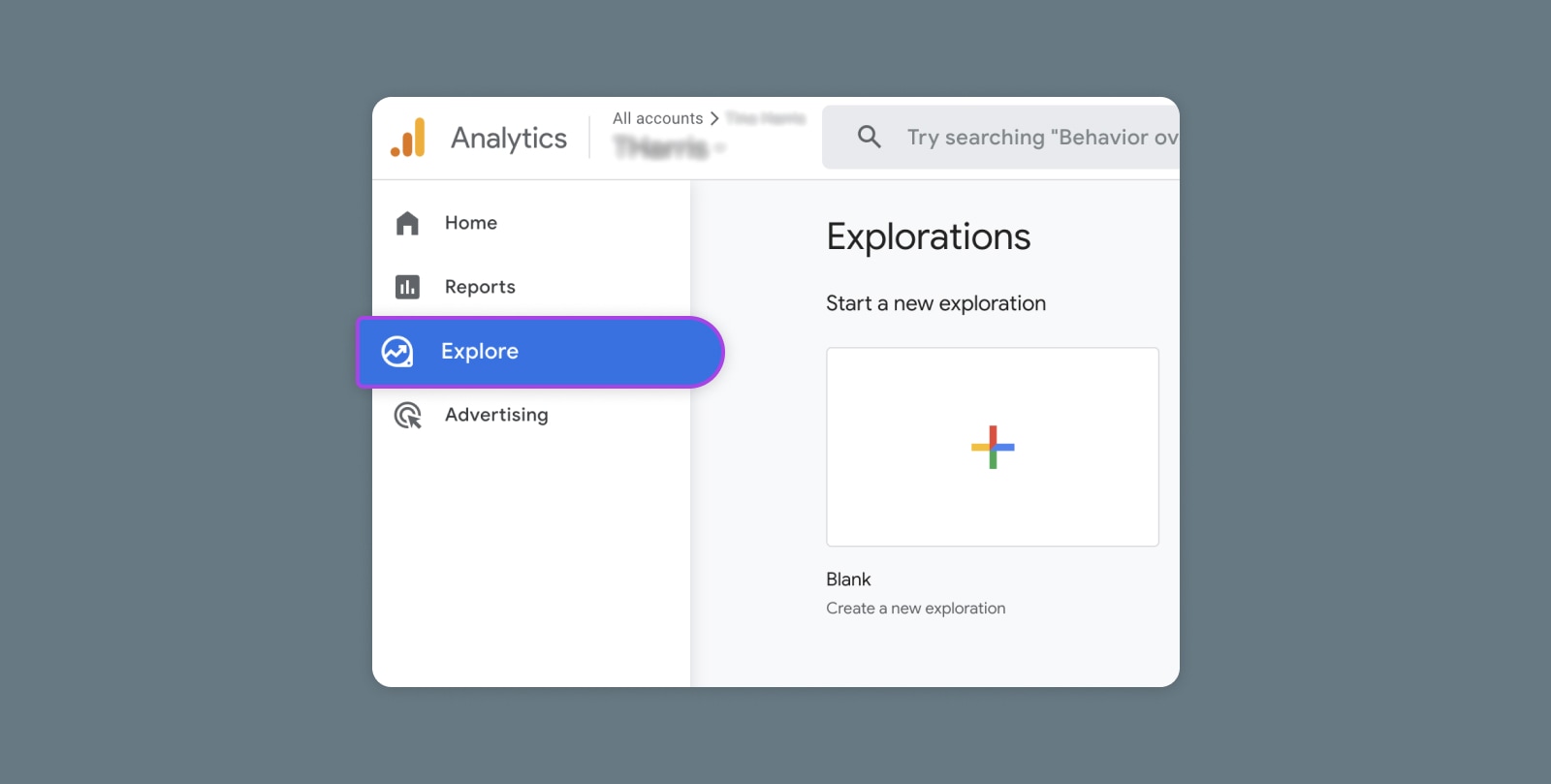
Creating and Mastering GA4 Explorations

In the switch from Universal Analytics (UA) to Google Analytics 4 (GA4) — which will go fully into effect July 2023 — a lot of things have...